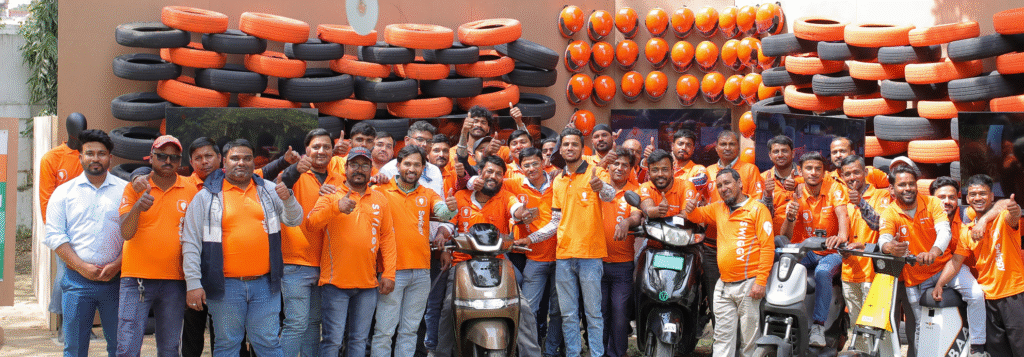
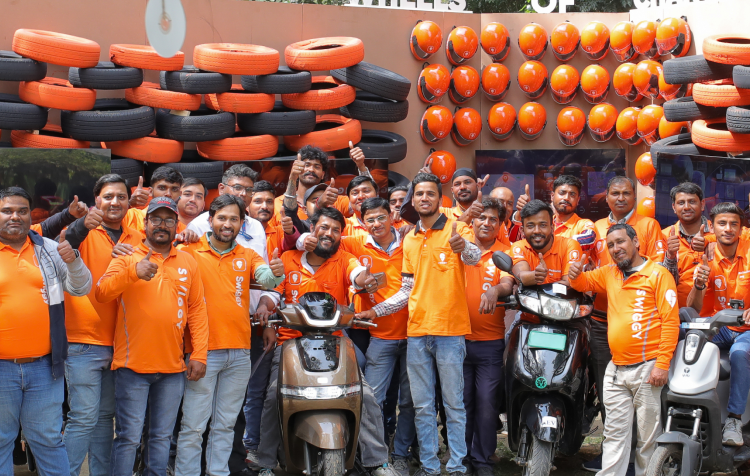
“For Swiggy, sustainability is not a parallel track to growth, it is central to how we imagine the future of convenience. Our ambition is clear: to set the benchmark for responsible delivery in India and to prove that the convenience economy can, and should, be built on principles that respect the planet as much as they serve its people.”
Sriharsha Majety
Managing Director and Group CEO
Reducing Emissions
We are fundamentally transforming our operational footprint by decarbonising our delivery network and core facilities. This involves a dual commitment to powering our operations with clean energy sources and transitioning our entire fleet to achieve zero-emission deliveries, ensuring comprehensive climate mitigation.
Low Carbon Fleet
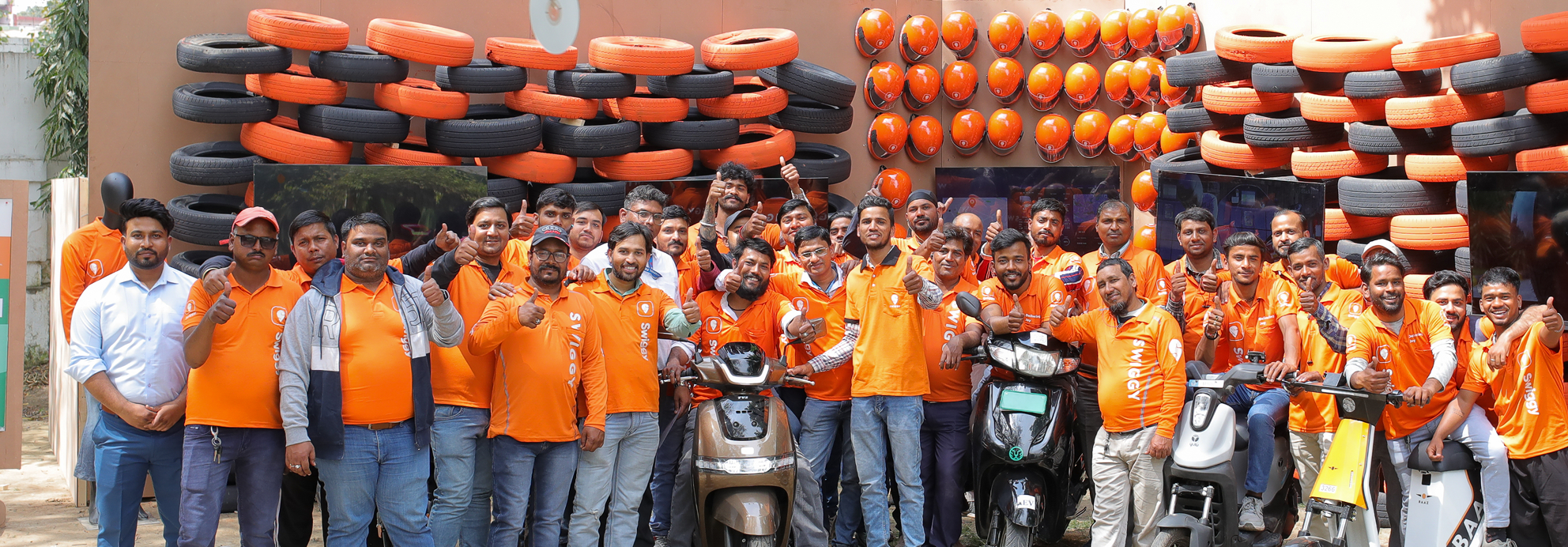
Transition to a 100% electric vehicle (EV) delivery fleet by 2030, enabling zero-emission deliveries.
0
tCO₂e emissions avoided in FY25 through EV adoption.
Clean Energy
Shift to 100% renewable energy in direct operations by 2030, leveraging sustainable solutions.
0%
of the electricity used at our corporate headquarters is sourced from renewables.
Delivering Circular Change
We are pioneering a circular economy within food delivery. Our focus is on drastically reducing waste in our operations, promoting sustainable packaging across our ecosystem, and leveraging our network to actively address hunger.
Plastic Circularity
Ensure all plastic from direct operations is reduced or offset through reuse and recycling initiatives by 2025.
0%
of direct-use plastics reduced or offset in FY25
Sustainable Packaging
Facilitate 100% of our restaurant partners to transition to responsible packaging alternatives by 2030.
~0
of orders had cutlery opt-out enabled within the first week after launch.
Minimizing Waste
Reduce perishable waste in our direct operations by 25% year-on-year through improved processes and automation in our value chain.
0
cities supported redistribution with Swiggy Serves in FY25
For any sustainability related queries, write to us at
Transition to a 100% electric vehicle (EV) delivery fleet by 2030, enabling zero-emission deliveries.
Approach
We are committed to decarbonising last-mile mobility by shaping an ecosystem where sustainable deliveries become the default.
Our strategy is to build an enabling environment that accelerates the transition to electric vehicles by aligning financing, infrastructure, and operating models. We focus on long-term partnerships and policy engagement that expand access and affordability, ensuring electric fleets scale equitably and sustainably.
Initiatives
Scale EV access
Make ownership and rental affordable via OEM & financier partnerships, removing upfront barriers for delivery partners.
Expand vehicle choice
Offer a wide range of EV models so partners can match vehicles to routes and earning needs.
Enable charging and operations
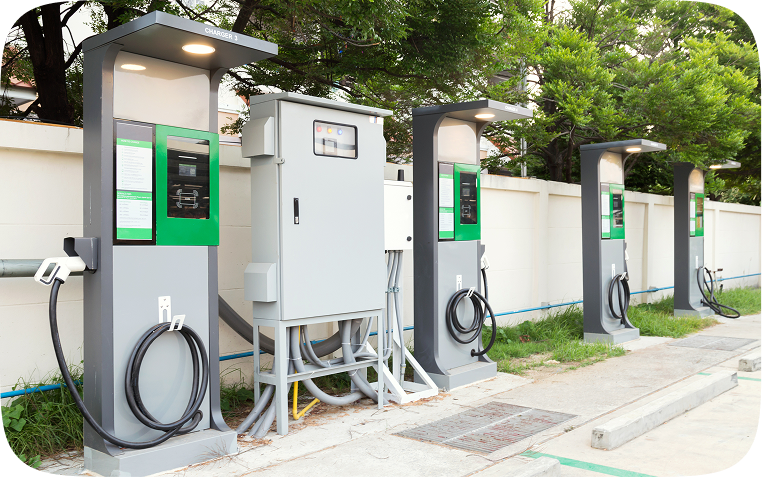
Strengthen charging networks and operational support to reduce downtime and range risk.
Demand-side nudges
Reduce kilometres per delivery through consumer opt-ins (Eco Saver) and efficiency batching pilots.
Impact
7x EV growth in FY25, establishing EVs as a mainstream option for partners.
4,483 tCO₂e emissions avoided in FY25 through EV adoption.
500+ tonnes CO₂ saved from Eco Saver batching alone in FY25.
70+ EV models available, enabling inclusivity and choice across delivery use cases.
Programmes & Partnerships
Swiggy has joined six other top global food and grocery platforms (serving nearly 100 countries) to launch the Deliver-E Coalition. This unprecedented, UNEP-backed alliance accelerates the worldwide transition to zero-emission deliveries. Through the coalition, we collaboratively share best practices and overcome critical barriers to the large-scale electrification of two- and three-wheeler fleets.
Clean Energy
Shift to 100% renewable energy in direct operations by 2030, leveraging sustainable solutions.
Approach
Our energy strategy is designed to progressively decouple growth from carbon intensity. We pursue a dual pathway of reducing energy demand through efficiency and increasing renewable supply across operations. By embedding climate resilience into infrastructure planning and leveraging data-driven monitoring, we ensure that energy use is optimised, future-proofed, and supportive of a just energy transition across our value chain.
Initiatives
Energy-efficient sites
Design and operate from energy efficient offices and hubs.
Renewable sourcing at scale
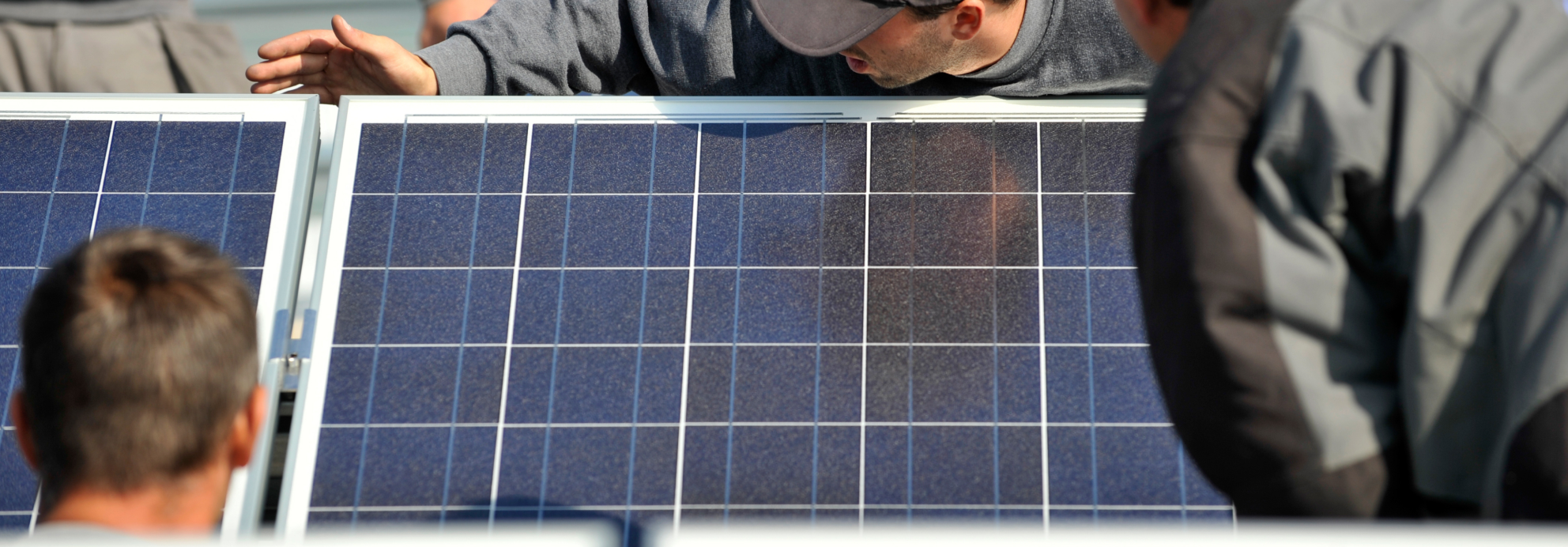
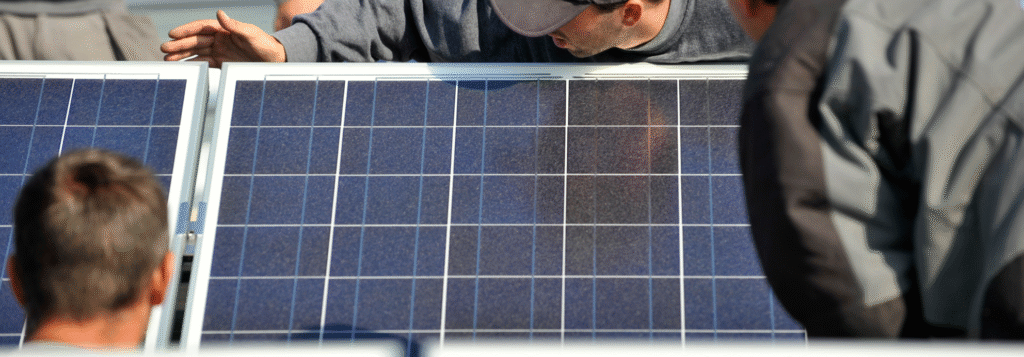
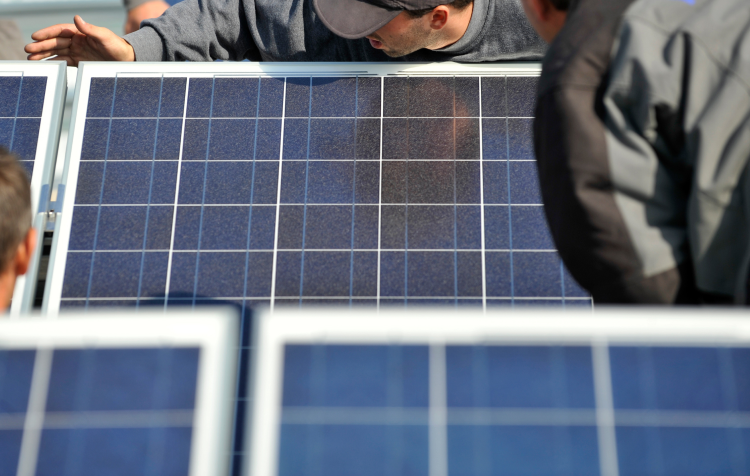
Prioritise on-site solar and long-term renewable procurement for our operations.
Technology decarbonisation
Migrate to low-carbon cloud infrastructure and optimise IT load to further reduce operational emissions.
Impact
65% of the electricity used at our corporate headquarters is sourced from renewables.
Reduced operational reliance on fossil-fuel electricity through renewable sourcing,where possible.
Plastic Circularity
Ensure all plastic from direct operations is reduced or offset through reuse and recycling initiatives by 2025.
Approach
Our strategy for plastic circularity focuses on fundamental system transformation: reducing dependency, maximising reuse, and ensuring materials re-enter productive cycles. We prioritise design choices that eliminate unnecessary plastics, promote behavioural shifts towards reuse, and strengthen recycling ecosystems. This approach balances operational needs with strict environmental stewardship.
Initiatives
Collect & recycle
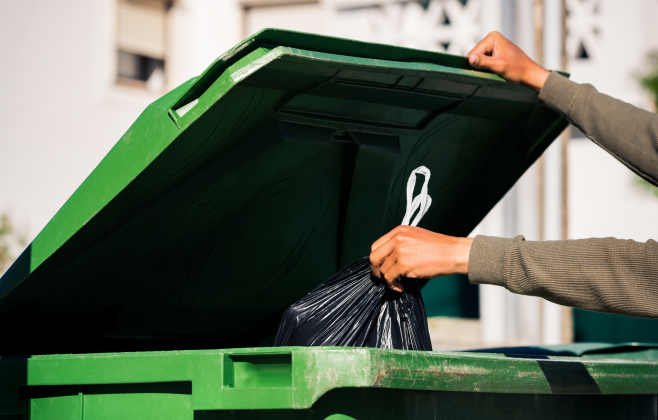
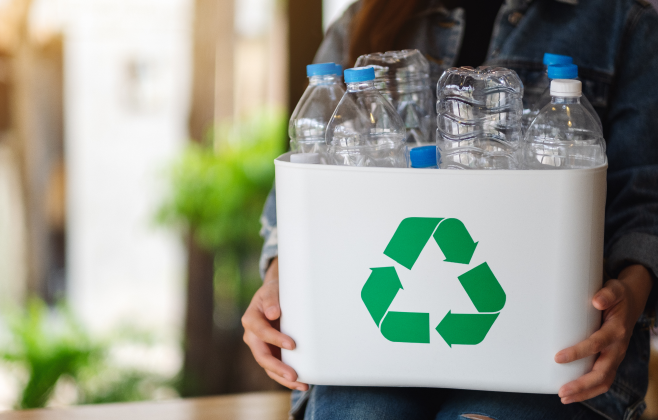
Systematically segregate direct-operation plastic at source and hand it to authorised recyclers.
Reuse pilots at scale
Replace single-use packing with reusable crates and bags in fulfillment centres and warehouses.
Transparent verification
Monitor recycling and offsets through verified partners.
Impact
100% of direct-use plastics reduced or offset in FY25.
Zero plastic packaging in grocery deliveries.
Reusable crates deployed across warehouses to cut down single-use plastic reliance.
Sustainable Packaging
Facilitate 100% of our restaurant partners to transition to responsible packaging alternatives by 2030.
Approach
Our packaging strategy is rooted in reducing environmental footprint without compromising consumer experience. We emphasise sustainable material transitions and supplier integration that drives adoption at scale. By focusing on scalable standards and innovation pathways, we aim to normalise sustainable packaging as a core business practice while influencing broader industry uptake.
Initiatives
Consumer nudges
Embed cutlery and carry-bag opt-outs at checkout to reduce single-use items.
Partner enablement
Connect restaurant partners with sustainable packaging vendors through an online catalogue providing eco-friendly options.
Standards & recognition
Define packaging criteria and reward partners who meet higher sustainability thresholds.
Impact
~96% of orders had cutlery opt-out enabled within the first week after launch.
Restaurant partners showed early interest following the launch of the Sustainable Packaging website.
Minimizing Waste
Reduce perishable waste in our direct operations by 25% year-on-year through improved processes and automation in our value chain.
Approach
We approach waste management strategically by embedding prevention and recovery into supply chain design. Our focus is on systemic demand-supply synchronisation, partnerships that strengthen redistribution networks, and leveraging technology as an enabler. This creates resilient systems where waste is not simply diverted but progressively eliminated, aligning resource efficiency with broader sustainability and food security objectives.
Initiatives
Waste Prevention
Use demand forecasting and batch management to minimise spoilage at source.
Surplus Redistribution
Leverages logistics to redistribute surplus food and resources to communities in need.
Impact
Redistribution footprint: Swiggy Serves network supported redistribution in 171 cities.